Why Mobile Car Detailing Is Becoming So Popular
Ten years ago, getting your car detailed meant the same ritual as getting it repaired: drive across town, hand over the keys, find a ride home, and burn half a Saturday. Today, a growing share of detailing happens in a different place entirely — your own driveway. Mobile detailing has become one of the fastest-growing corners of the auto care industry, and the reasons say as much about how consumers have changed as about the industry itself.
The Convenience Economy Finally Reached Your Car
We've spent a decade retraining ourselves to expect services to come to us. Groceries arrive at the door. Dinner arrives at the door. The dog groomer pulls up in a van. Once that expectation takes hold, driving somewhere and waiting around starts to feel like the exception that needs justifying — not the default.
Car care was one of the last holdouts, and it's catching up fast. Industry analysts consistently flag mobile service as a leading growth segment in the multi-billion-dollar U.S. detailing market, and on-demand platforms for mobile mechanics, oil changes, and detailing have all reported rapid user growth. The through-line in every report is the same word: convenience.
The Real Product Is Your Saturday
Here's the math most people do, even if they never write it down. A shop detail doesn't just cost the price on the invoice — it costs two drives, the wait (or the logistics of a drop-off and pickup), and usually the better part of a weekend morning. A mobile detail costs none of that. You book a window, the detailer works in your driveway or office parking lot, and you go on with your day. For a full interior detail, that can mean reclaiming three or four hours.
That reframing — paying for a result instead of participating in an errand — is exactly what already won in food delivery and home services. Research on consumer behavior has shown for years that a large share of drivers delay or skip vehicle care simply because of the hassle involved. Remove the hassle, and a lot of "someday" maintenance becomes "this Tuesday."
The Equipment Caught Up
The old knock on mobile detailing was that a van couldn't match a shop. That gap has mostly closed. Modern mobile rigs carry professional steamers, shampoo systems, pressure washers, and the same chemicals and machine polishers a fixed shop uses. The techniques that matter — steam-cleaning, shampooing, machine waxing — travel just fine.
One practical note that surprises first-time customers: most mobile detailers connect to the customer's outdoor spigot and a standard outlet rather than hauling tanks of water. It's a sensible trade — carrying less water weight means carrying more equipment — but it's worth knowing when you book, especially for exterior work that needs a working hose connection.
Trust Works Differently in a Driveway
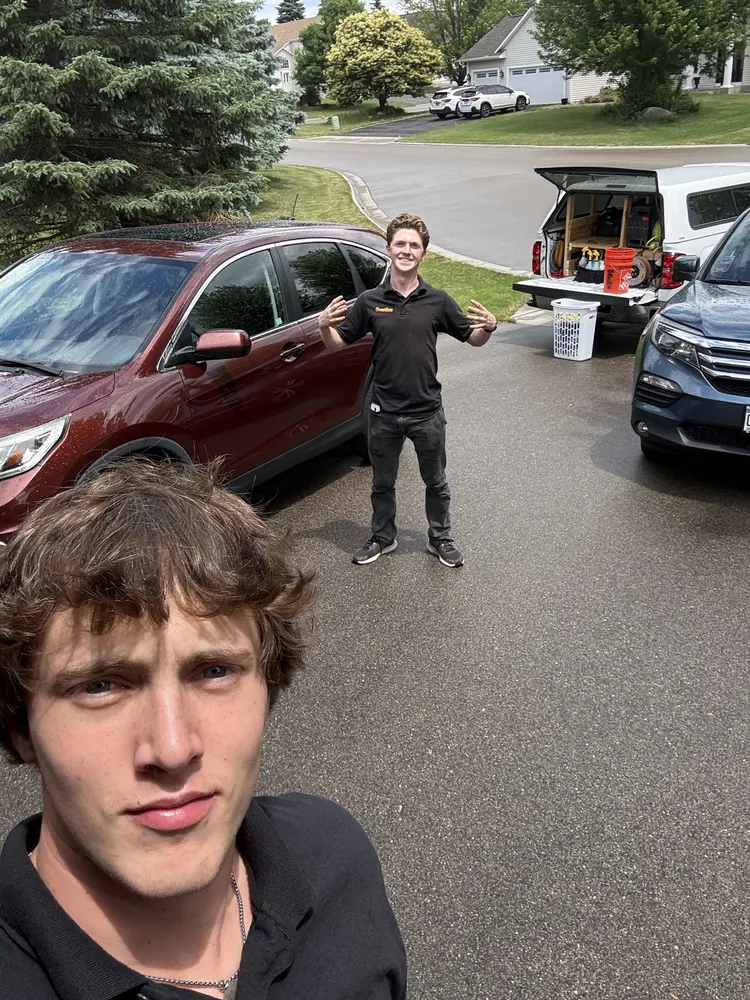
There's a quieter reason mobile detailing converts skeptics: transparency. In a shop, your car disappears behind a wall. In your driveway, you can watch the whole process from the kitchen window — every panel, every seat, every step. For an industry where the customer often can't judge quality until the job is done, that visibility builds trust in a way no waiting-room certificate can.
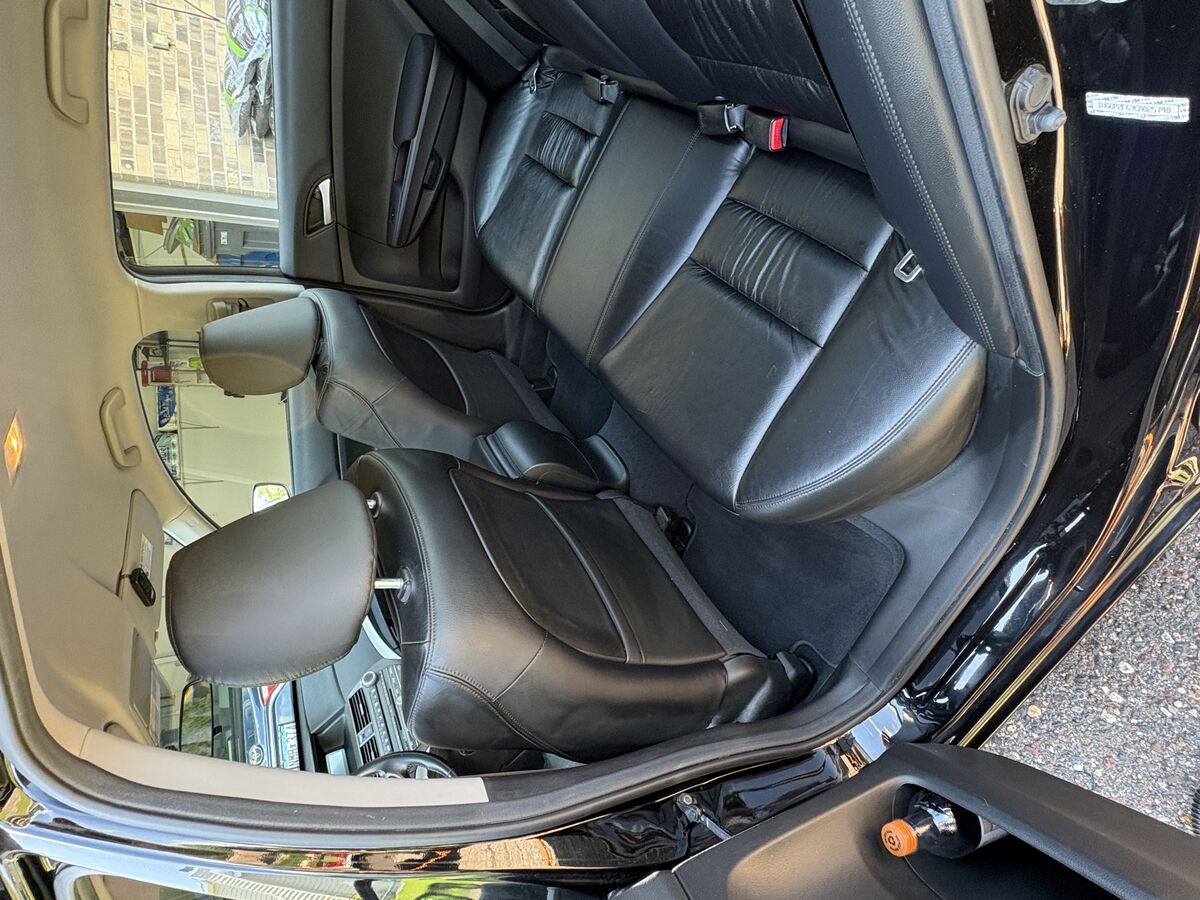
Social media has amplified this. Satisfying before-and-after transformations are some of the most-watched content in the home and auto space, and most of it is filmed in driveways, not shops. An entire generation of car owners first learned what professional detailing even looks like from a phone screen — and the version they saw was mobile.
Shop vs. Driveway at a Glance
| Traditional Shop | Mobile Detailing | |
|---|---|---|
| Your time spent | Two drives plus a wait or drop-off logistics | Minutes — book a window, stay home |
| Visibility | Work happens out of sight | Watch the whole process if you like |
| Equipment | Full fixed installation | Professional-grade portable rigs; uses your spigot & outlet |
| Weather & season | Works year-round indoors | Season-dependent in cold climates; many go hybrid in winter |
| Best fit | Multi-day paint work, corrections, coatings | Interior details, maintenance washes, busy schedules |
Where Mobile Has Limits
An honest picture includes what mobile doesn't do best. Multi-day paint correction and ceramic coating work genuinely benefits from a controlled indoor environment — stable temperature, no pollen, no surprise rain, proper lighting to inspect paint. That's why many mobile operators are evolving into hybrids, running driveway service in the warm months and shop or garage-based work in winter, especially in northern states where road salt season and freezing temperatures make outdoor water work impossible.
Apartment dwellers can face logistical limits too: exterior washing needs a water source and somewhere runoff is allowed, which not every complex permits. Interior-only details, which need just a parking spot and an outlet, are usually the easy answer there.
Why This Isn't a Fad
Some trends are marketing; this one is structural. The drivers behind mobile detailing — consumers valuing time over errands, portable equipment matching shop quality, booking moving online, and visible, reviewable work building trust faster than storefronts do — aren't going anywhere. Add the fleet side of the business (delivery vehicles, ride-share cars, and company trucks that can't afford a day off the road), and the demand curve only points one direction.
The detail shop isn't disappearing. But for the everyday work of keeping a car clean, protected, and pleasant to drive, the industry's center of gravity has moved — out of the waiting room and into the driveway. For car owners, that's simply a better deal: the same professional result, minus the lost Saturday.