Why Ceramic Coating Your Car Is Worth It — and What Nobody Tells You
Ceramic coatings have gone from an exotic-car luxury to one of the most common questions in the detailing world: is it actually worth it? The internet is full of exaggerated claims in both directions — miracle forcefield on one side, expensive snake oil on the other. The truth sits in the middle, and it's worth understanding before you spend the money.
What a Ceramic Coating Actually Is
A ceramic coating is a liquid polymer — usually based on silicon dioxide (SiO2) — that's applied by hand to your paint and chemically bonds with the factory clear coat. That bond is the whole point. A traditional wax just sits on top of the paint and washes away in weeks; a coating becomes a semi-permanent sacrificial layer that stays put for years.
Once cured, that layer is harder and far more chemically resistant than wax, and it's extremely hydrophobic — water beads up and rolls off instead of sitting on the surface and evaporating into mineral spots.
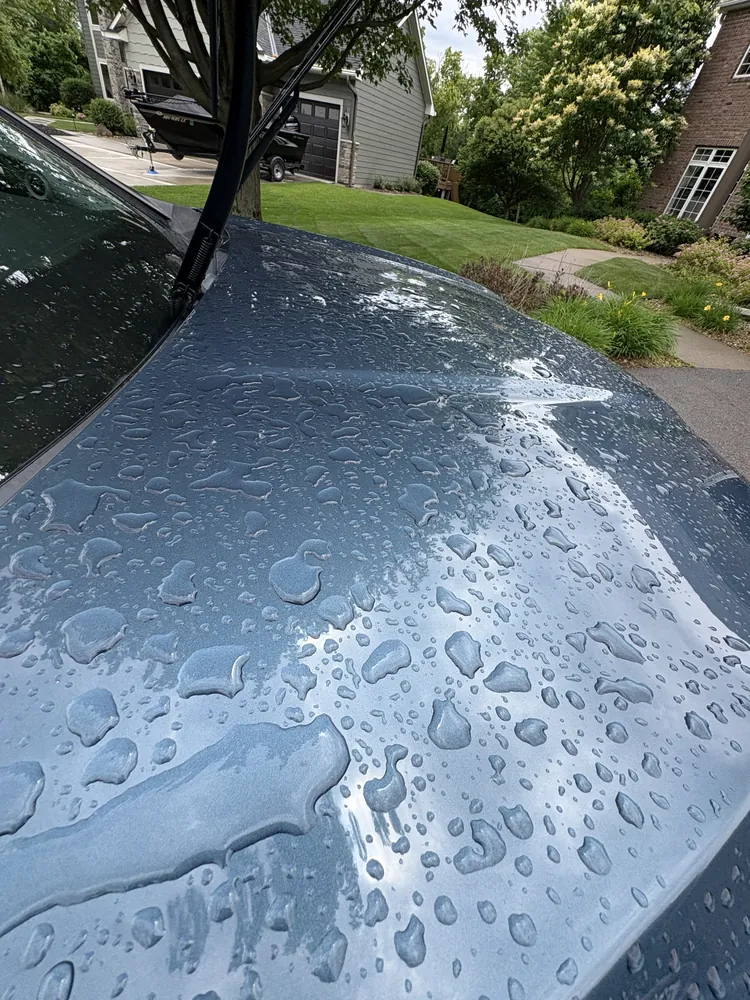
The Real Benefits
1. It slows the aging process of your paint
Paint doesn't fail all at once — it fades. UV exposure slowly oxidizes a clear coat, which is why a ten-year-old car that lived outside looks chalky and flat while the same car garage-kept still looks deep and glossy. A ceramic coating reflects and absorbs a meaningful share of that UV load, so the clear coat underneath ages slower. You can't stop time, but you can take your paint out of the sun's direct line of fire.
2. It defends against the stuff that etches paint
Bird droppings, bug splatter, tree sap, acid rain, and — if you live anywhere with real winters — road salt and de-icing brine are all chemically aggressive. On bare clear coat, they start etching within hours in the sun. On a coated car, they sit on the sacrificial ceramic layer instead, which buys you days instead of hours to wash them off before permanent damage happens. In snow-belt states, that salt resistance alone is a big part of the case for coating a daily driver.
3. Washing gets dramatically easier
Because the surface is so slick, dirt, brake dust, and road film don't bond to it the way they bond to bare paint. Most owners find a coated car needs half the washing effort — often just a rinse and a light mitt pass — and no waxing, ever. Less scrubbing also means fewer wash-induced swirl marks over the life of the car, which is where most "mystery scratches" actually come from.
4. It helps protect the thing that drives resale value: condition
Here's the honest version of the resale argument. No appraiser adds a line item for "has ceramic coating." What they — and private buyers — absolutely do price is condition. Faded, swirled, water-spotted paint reads as neglect and gives a buyer leverage to negotiate down; deep, glossy, well-kept paint reads as a cared-for car and defends your asking price. A coating doesn't add value by existing. It adds value by keeping your paint in the top bracket of condition for the years you own the car, with far less effort on your part.
5. The gloss is real
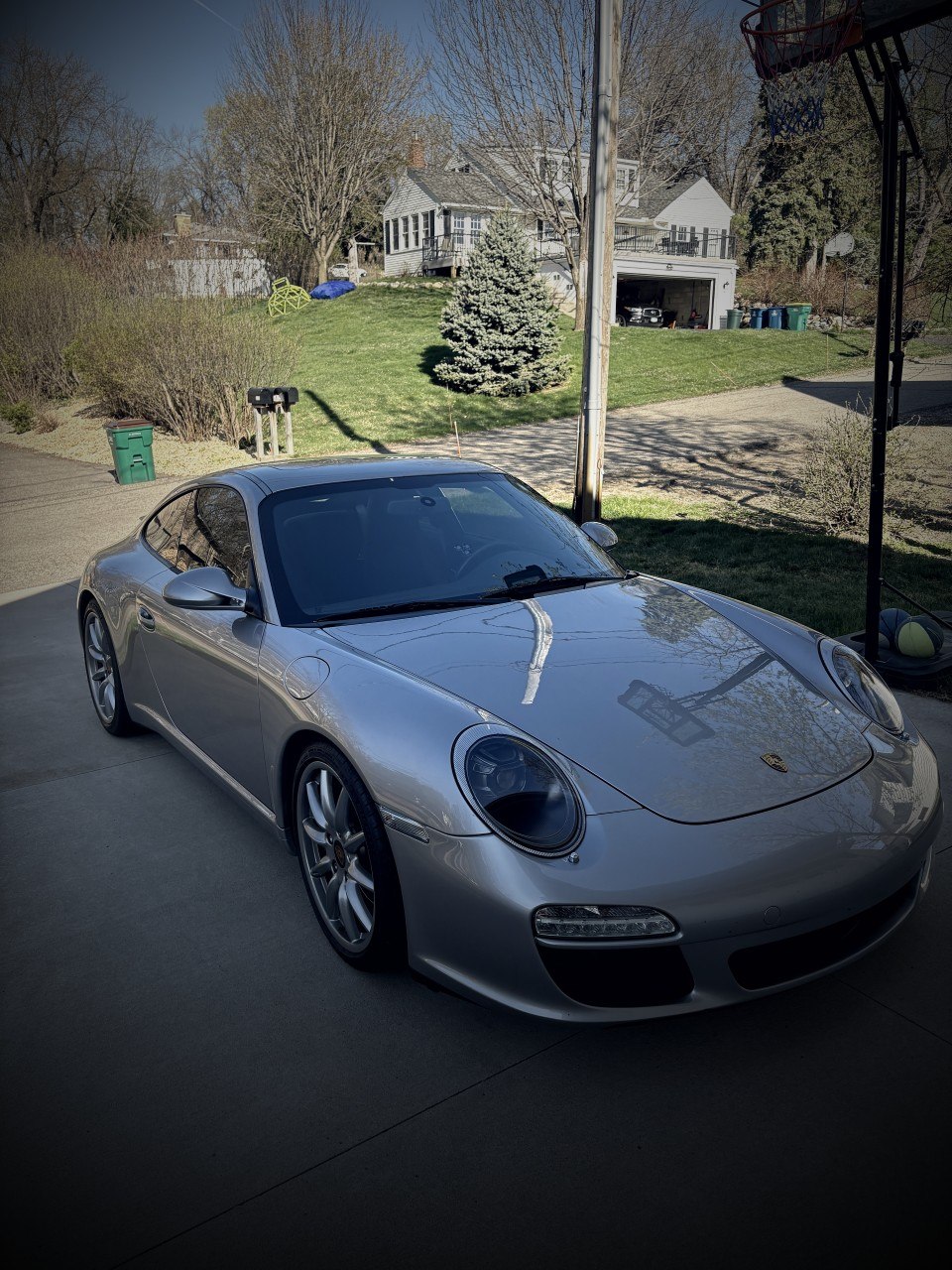
This one is subjective but universal: a properly prepped and coated car has a depth and wetness to the finish that wax can't match, and it still looks that way in year three. For a lot of owners, looking forward to walking up to their car is worth the price on its own.
Coating vs. Wax at a Glance
| Traditional Wax | Ceramic Coating | |
|---|---|---|
| How it attaches | Sits on top of the paint | Chemically bonds to the clear coat |
| Typical lifespan | A few weeks to a few months | Years — commonly 1 to 5+ depending on the product and care |
| Chemical resistance | Low — breaks down in heat, salt, and detergents | High — resists salt, brine, bird droppings, and wash chemicals |
| Maintenance | Reapply constantly | Regular washes; no waxing |
What a Ceramic Coating Is NOT
This is the part a lot of marketing skips, and it's why some people end up disappointed:
- It's not scratch-proof. A coating resists light wash marring, but it will not stop rock chips, door dings, a key, or an automatic car wash brush. If you want impact protection, that's paint protection film — a different (and more expensive) product.
- It's not maintenance-free. A coated car still needs to be washed. The coating makes washing easier and safer for the paint; it doesn't make dirt bounce off.
- It's only as good as the prep underneath. A coating locks in whatever is under it — gloss or swirl marks. That's why reputable installers insist on paint correction (machine-polishing out defects) before coating. A coating slapped over uncorrected paint just preserves the flaws in high definition.
- Lifespan claims vary wildly. Real-world durability depends on the product line, the installer's prep, whether the car lives outside, and how it's washed. Treat any "lifetime" claim with healthy skepticism and ask what the warranty actually covers.
Who Gets the Most Out of It
A ceramic coating makes the most sense if one or more of these describes you:
- You plan to keep the car several years and want it to still look new when you sell or trade it.
- The car lives outside, or you drive through real winters with salted roads.
- You're buying a new (or newly polished) car and want to lock in that condition from day one.
- You're tired of waxing, or you want the easiest possible wash routine.
If you lease short-term, park in a garage, and don't mind waxing a couple times a year, a quality sealant or ceramic-infused wax may be all you need — at a fraction of the cost.
The Bottom Line
A ceramic coating won't make your car invincible, and anyone who tells you it will is selling something. What it genuinely does is slow paint aging, shrug off the chemicals and salt that etch clear coat, cut your washing effort roughly in half, and keep your car in the condition bracket that holds its value. For an owner who keeps a car for years — especially in a harsh climate — that combination is hard to beat. Just make sure the paint is properly corrected before it's coated, and buy the installer's prep work, not just the bottle.